
Important Legal Developments
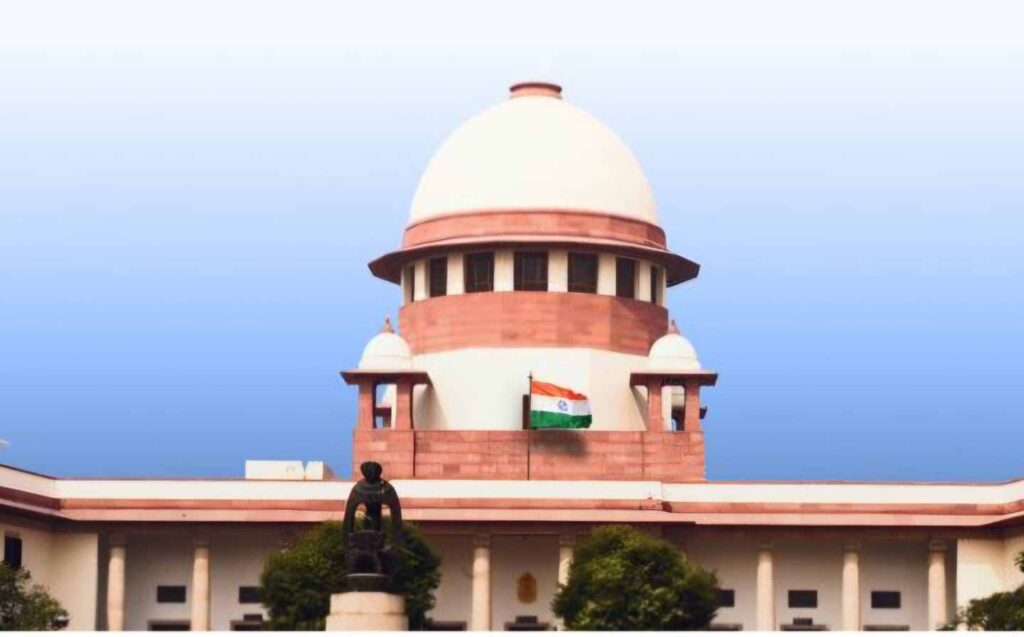
- The Supreme Court listed oral mentioning matters and issued listing notices for 25 November. The court’s cause list included miscellaneous hearings and supplementary listings. Advocates were asked not to seek adjournments in matters listed before the courts. The schedule reflects the court’s effort to manage a heavy workload. Several important constitutional, criminal and commercial matters were expected to come up during the day.
- A special Supreme Court bench comprising Justices M M Sundresh and Sanjeev Sachdeva was constituted to hear revision petitions and special leave petitions. The bench was scheduled to sit at 3 pm in Court No. 4. The matters involve SLP(C) No. 28038/26 and connected petitions. The formation of a special bench indicates the importance attached to the issues. The hearing could clarify procedural or substantive legal questions.
- Justice Pamidighantam Sri Narasimha was not scheduled to hold court on 25 November. The Supreme Court’s notification informed litigants and lawyers of the change. Matters listed before his court were expected to be handled according to the court’s listing arrangements. Such administrative updates are routine but important for counsel preparing for hearings. Lawyers needed to adjust their appearances accordingly.
- The Supreme Court’s weekly listing included matters fixed for hearing on 25 and 26 November. One matter was listed before a bench of Justices Vikram Nath, Sandeep Mehta and Aparesh Kumar Singh. It was marked to be taken up immediately after fresh matters. The listing shows the court’s effort to prioritise part-heard cases. Such scheduling can affect the pace of long-pending litigation.
- The Karnataka High Court allowed investigation into BJP MLA C K Ramamurthy and three others in the Form 7 voter-deletion case. It protected the legislator from arrest and restrained police from filing a chargesheet without court permission. The court also directed the accused to cooperate with investigators. The order seeks to balance investigation with protection against premature coercive action. The case will now proceed under the court’s supervision.
- The Telangana High Court held that criminal appeals against conviction cannot be dismissed for non-prosecution. The ruling reinforces the principle that an appeal must be decided on its merits. It prevents the absence of State counsel from becoming a barrier to justice. The decision may benefit convicts whose appeals were earlier closed on procedural grounds. It is likely to guide lower courts and appellate benches in similar matters.