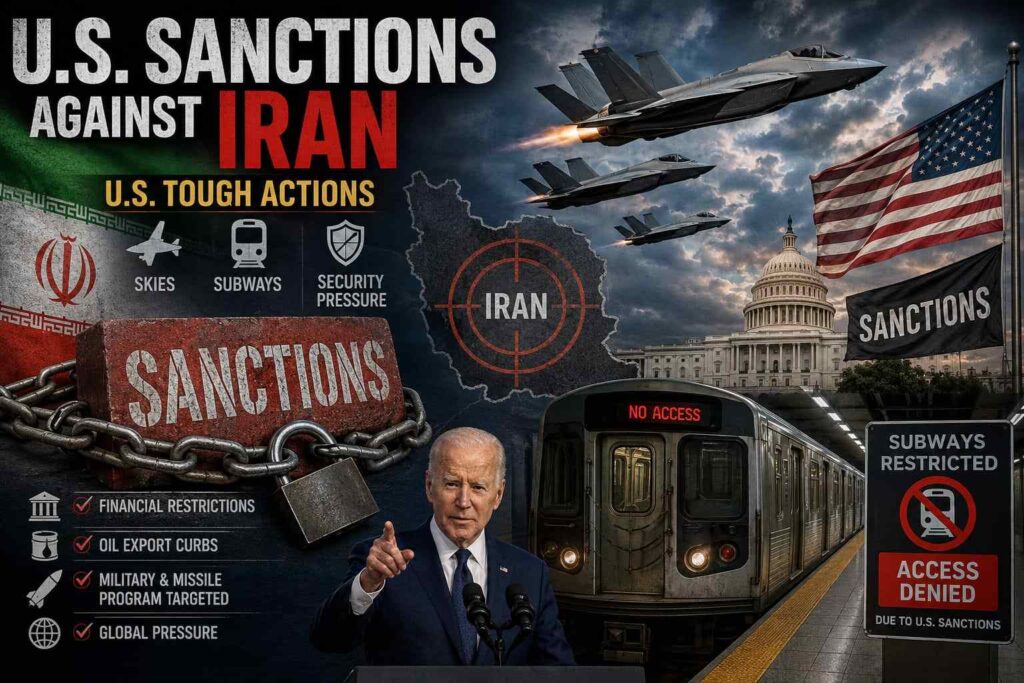

- U.S.–Iran conflict shifts to sanctions: Washington says it will introduce what Treasury Secretary Scott Bessent described as the “toughest sanctions in history” against Iran, presenting economic isolation as an alternative to major new military action.
- No clear ceasefire breakthrough: The two sides remain stuck over the terms for ending the conflict. Tehran has rejected a temporary ceasefire formula, signalling that it wants durable assurances that hostilities will not resume.
- Hormuz remains open, but vulnerable: Nine commodity vessels transited the Strait of Hormuz on Wednesday, unchanged from the preceding day. The number offers some reassurance, but traffic remains far below normal-risk conditions for one of the world’s most important energy corridors.
- Bab el-Mandeb traffic slows further: Commodity-vessel passages through the Bab el-Mandeb fell to 27 from 32 a day earlier, underlining how the wider Middle East conflict is disturbing maritime trade beyond Hormuz.
- Iran rejects economic coercion: Tehran dismissed the U.S. threat of economic warfare, indicating that sanctions alone are unlikely to produce a quick political settlement.
- China resists Iran-sanctions pressure: Washington has urged Beijing to cooperate with the proposed sanctions drive; China’s position is that punitive sanctions will not resolve the crisis.
- Hezbollah faces fresh U.S. action: The United States announced fresh sanctions targeting Hezbollah and redesignated the organisation over what it says is service to Iran’s IRGC-Quds Force.
- Qatar and Egypt continue diplomacy: Qatar says it will coordinate with Egypt to pursue a final and sustainable agreement that ends the Iran war and prevents fresh escalation.
- Gaza ceasefire prospects weaken: Turkey, Egypt and Qatar say recent Israeli strikes in Gaza undermine efforts to end the conflict. Medics reported at least 16 Palestinian deaths since Tuesday; Israel says it is targeting Hamas fighters.
- Gaza humanitarian economy deepens: An Associated Press investigation reports that restricted goods—including fuel, medical supplies, solar panels and consumer electronics—are being smuggled into Gaza, while basic prices remain severely inflated.
- Settlement project draws western criticism: Six European countries and Canada have condemned an Israeli settlement project near Jerusalem, saying it could effectively divide the occupied West Bank.
- Israel opens limited Gaza investigations: Israel’s military says it will investigate the killings of five-year-old Hind Rajab and her family, and 15 Palestinian paramedics. The move is notable because broader wartime accountability remains heavily contested.
- North Korea launches missiles: South Korea’s military says North Korea fired around 10 short-range ballistic missiles into eastern waters. The missiles reportedly travelled roughly 300 kilometres.
- U.S.–China tariff friction widens: Beijing has demanded that Washington withdraw Section 232 tariffs on drones and related components, adding a new trade dispute to an already difficult bilateral relationship.
- Canada–U.S. trade talks enter a crucial phase: Ottawa says a deal is “very close,” but negotiations continue ahead of a U.S. threat to impose a 50% tariff on around $20 billion of Canadian goods.
- U.S. job market shows resilience: Initial jobless claims fell by 6,000 to 206,000 for the week ended 15 August, a sign that the labour market remains relatively stable despite weaker July employment data.
- U.S. debt crosses $40 trillion: The federal debt has reached a record $40 trillion, sharpening debate over defence expenditure, entitlement spending and interest costs.
- Global equity markets turn uneven: South Korean shares rose 6% and Japanese equities gained 1%, while Wall Street fell—S&P 500 down 0.9%, Nasdaq down 1%, and Dow down 1.3%—as bond-market concerns returned.
- Ukraine remains under attack: Kyiv was hit by an overnight Russian missile-and-drone assault, keeping civilian protection and air defence at the centre of Europe’s security agenda.
Migration pressure at Europe’s edge: Spanish police cleared hundreds of migrants from a beach camp in Ceuta after mass crossings from Morocco, highlighting persistent pressure along Europe’s Mediterranean and North African frontier.