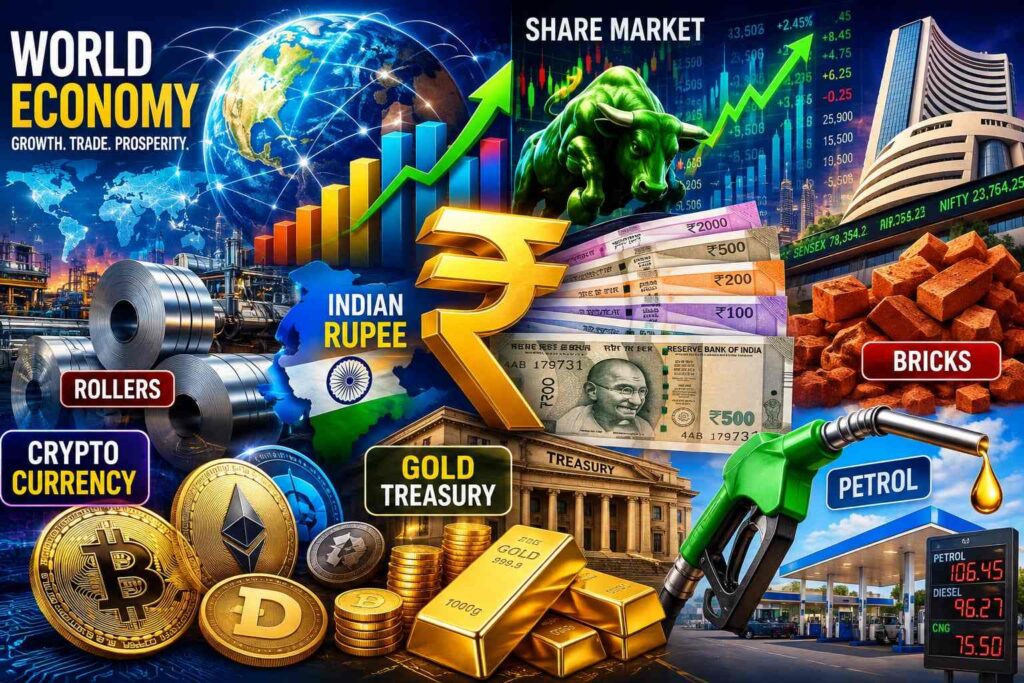
- Indian equities closed higher in the last trading session. The BSE Sensex rose about 0.6 per cent to 74,729.3, its highest level since September 23. The gain extended a second session of rise, supported by strong corporate earnings and tempered bets on US rate hikes. The technology sector was the standout performer. Tech Mahindra jumped 8.5 per cent after better-than-expected results.
- Foreign investor outflows remain a major concern for Indian markets. Overseas investors sold $555.99 million worth of Indian shares on Thursday. The outflows reflect global risk aversion and profit-taking. Persistent selling has kept market sentiment fragile despite recent gains. Investors are watching crude prices, currency movement and earnings for direction.
- Brent crude remained near $106 a barrel. High oil prices are stoking inflation concerns in India and other import-dependent economies. The elevated price level is adding to input costs for companies. It is also putting pressure on the current account and the rupee. Energy markets are being closely watched amid geopolitical tensions.
- The Indian rupee rose to around 94.76 per dollar. The currency extended gains to five-week highs and climbed 1.8 per cent for the week, its strongest weekly performance since April. Traders unwound bearish positions on expectations of continued RBI dollar selling. The recovery comes after the rupee had closed near Rs 96.78 per dollar earlier. Despite the rebound, elevated oil prices and foreign outflows remain risks.
- India’s inflation data point to persistent price pressure. September consumer inflation accelerated to 5.54 per cent. Wholesale price inflation rose 11.39 per cent year-on-year, up from 9.92 per cent in August. Fuel inflation accelerated to 25.85 per cent, driven by mineral oil and crude petroleum prices. The data have raised expectations of a December rate hike.
- Tighter RBI cash reserve requirements took effect. Banks are now required to maintain 99 per cent of their CRR daily, up from 90 per cent. The move is expected to tighten liquidity in the banking system. It comes as the central bank tries to manage inflation and currency pressure. The impact on lending rates and credit growth will be watched closely.
- The Centre’s cap on anti-cancer drug margins is a major healthcare-cost measure. The 30 per cent trade-margin cap on 137 drugs will take effect from November 9, 2026. It is expected to cut MRPs by 20 to 70 per cent. The annual saving is estimated at around Rs 2,500 crore. The move will benefit patients and may pressure pharmaceutical companies on pricing.
- Paras Healthcare is among companies expected to launch a public share offering this week. The IPO pipeline reflects continued activity in the primary market. Investors are watching healthcare and other sector offerings closely. Market conditions will play a key role in subscription levels. The week beginning October 19 is expected to see several listings and offerings.