
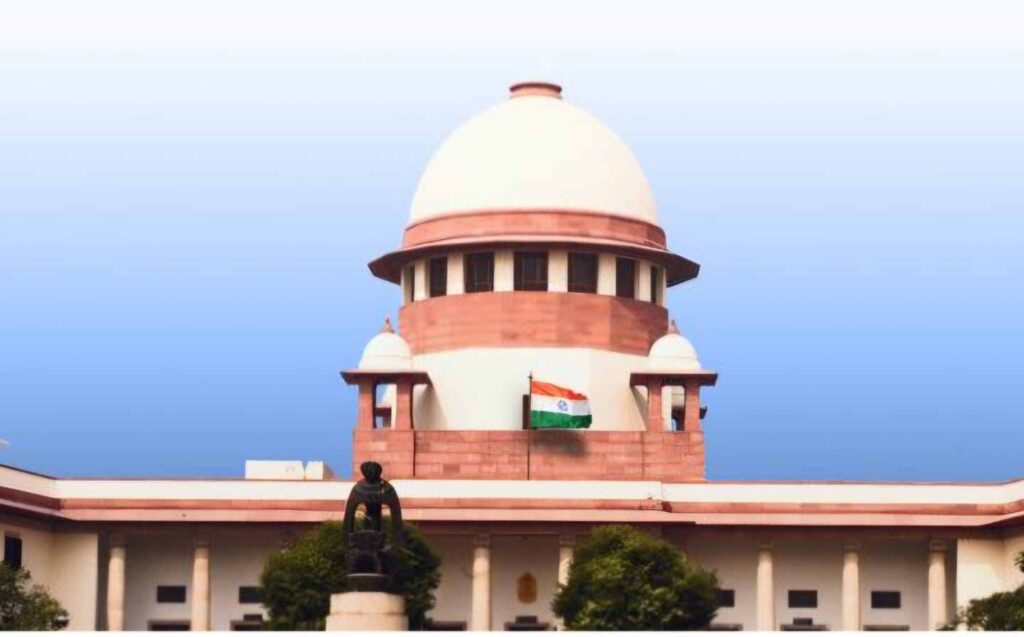
- NEET-UG Protest FIRs Quashed Under Article 142: The Supreme Court quashed FIRs against students who participated in peaceful protests against NEET-UG Examination 2026 irregularities between July 20-25, invoking Article 142 to protect their future prospects. However, the court permitted registration of fresh FIRs against 2,873 individuals identified by Delhi Police and directed formulation of a pan-India compensation policy for families of students who committed suicide in connection with the exam within 90 days.
- Naga Insurgent’s Sentence Suspended: The Supreme Court suspended the sentence of Naga insurgent Hopeson Ningshen, considering his 17 years of jail term and other mitigating factors in a significant Northeast insurgency-related case. The order reflects the court’s balanced approach to long-pending cases involving regional conflicts.
- Vivo Executive Summoned to Appear: The Supreme Court asked a Vivo executive to appear before it, marking another chapter in ongoing legal scrutiny of the Chinese smartphone company’s Indian operations amid tax and regulatory investigations. The development signals continued judicial oversight of foreign tech firms operating in India.
- Bio-Medical Waste Clearance Ruling: The Supreme Court held that prior land possession is not mandatory to apply for environmental clearance for bio-medical waste facilities, clarifying regulatory requirements for healthcare infrastructure projects. The judgment streamlines approval processes for medical waste management facilities across the country.
- Marital Rape Exception Hearing Proceeds: The Supreme Court on September 7 refused to immediately defer hearings in the batch of petitions challenging the marital rape exception under Indian law, signalling willingness to address this contentious issue. The court’s decision to proceed despite opposition underscores the gravity with which it views the constitutional questions involved.
- Assaults on Medical Staff: “Do Not Deserve to Roam”: The Supreme Court declared that those who assault doctors and hospital staff “do not deserve to roam on the streets,” taking a hardline stance against violence against healthcare workers. The remarks came during hearings on protecting medical professionals, reflecting growing judicial concern over such attacks.
- Airfare Fluctuation Plea Scheduled for Hearing: The Supreme Court is scheduled to hear a plea seeking regulatory guidelines to control unpredictable fluctuations in airfare and ancillary charges imposed by private airlines in India. The matter will be heard by a bench comprising Justices Vikram Nath and Sandeep Mehta as the government fast-tracks new aviation rules.
- NHAI-Tata Contract Termination Stayed: The Supreme Court stayed an Allahabad High Court order quashing the termination of a ₹940 crore NHAI-Tata Projects contract, protecting the government’s decision pending further judicial review. The stay has significant implications for infrastructure dispute resolution and contract enforcement.
High Court Orders
- HP High Court on Surrogacy and Maternity Leave: The Himachal Pradesh High Court upheld a commissioning mother’s right to maternity leave, ruling that “motherhood cannot be distinguished by surrogacy” in a landmark judgment for reproductive rights. The decision sets an important precedent for workplace policies and parental benefits in surrogacy cases.
- BBC Documentary Case Withdrawn in Delhi HC: A Gujarat-based NGO withdrew its defamation suit against BBC from the Delhi High Court over the PM Modi documentary, ending one chapter of the legal battle surrounding the controversial film. The withdrawal comes amid ongoing debates about media freedom and governmental criticism.
- Jharkhand HC on Attempt to Rape Definition: The Jharkhand High Court held that entering a woman’s house at night and lifting her clothes is not sufficient to constitute an attempt to rape, setting a legal precedent that has sparked debate about women’s safety jurisprudence. The ruling underscores ongoing tensions in defining and prosecuting sexual offences under Indian law.
- Uttarakhand HC on RTI and Privacy: The Uttarakhand High Court upheld denial of RTI information on an estranged wife’s government service, saying no material could outweigh privacy concerns in such cases. The judgment balances transparency rights against individual privacy in family dispute contexts.
- Kerala HC on Actor Ansiba Hassan’s Plea: The Kerala High Court directed fresh consideration of actor Ansiba Hassan’s plea for police probe against Lakshmi Priya over sexually coloured remarks, ensuring due process in celebrity-related complaints. The order reflects judicial scrutiny of law enforcement responses to high-profile cases.
- Madras HC on OBC Category in Caste Census: The Madras High Court dismissed a plea seeking to include OBC category in the caste census, calling it a “policy decision” beyond judicial intervention. The ruling reinforces executive discretion in census methodology and social classification.
- Allahabad HC on Codeine Cough Syrup Sales: The Allahabad High Court ruled that routine retail sale of codeine cough syrup without prescription violates the Drugs & Cosmetics Act, not the NDPS Act, clarifying pharmaceutical regulatory enforcement. The judgment has implications for pharmacy practices and drug control across northern India.
- Delhi HC on UGC Equity Protest Permission: The Delhi High Court directed police to decide on a fresh plea for a September 20 Jantar Mantar protest on UGC equity regulations, balancing protest rights with public order considerations. The order ensures due process for student and academic demonstrations.
- Jharkhand HC Quashes Bond Against Doctor: The Jharkhand High Court quashed a ₹30 lakh bond against a doctor admitted to an unrecognised PG course and awarded ₹7 lakh compensation, relieving the medical professional from excessive financial burden. The judgment addresses proportionality in educational bond enforcement.
- Calcutta HC Grants Relief to Abhishek Banerjee: The Calcutta High Court granted interim relief to Abhishek Banerjee, mulling restraining future FIRs without court’s leave in a significant political corruption case. The order reflects judicial oversight in high-profile political prosecutions.
- Karnataka HC on Mediclaim and Non-Hospitalisation: The Karnataka High Court ruled that non-hospitalisation is no ground for insurers to deny mediclaim if treatment is connected to an insured disease, protecting policyholders’ rights. The judgment strengthens consumer protection in health insurance claims.
- Madras HC on Church Near Temple: The Madras High Court held that different faiths can co-exist and mere law and order apprehension is no ground to stop a church near a temple, upholding religious freedom and secular principles. The ruling reinforces constitutional protections for minority religious institutions.
- Kerala HC on SC/ST Benefits Proof: The Kerala High Court ruled that a claimant’s inability to prove caste is not enough to deny constitutional benefits unless the state shows contrary evidence, protecting marginalised communities’ rights. The judgment eases evidentiary burdens for SC/ST benefit claimants.
- Bombay HC on Illegal Detention Compensation: The Bombay High Court directed ₹2 lakh compensation to a man detained without notice or grounds of arrest, calling it a violation of fundamental rights and reinforcing constitutional protections. The judgment sets a precedent for accountability in law enforcement actions.
- Allahabad HC Quashes NSA Detention, Orders Recovery: The Allahabad High Court quashed the NSA detention of a student and ordered ₹5 lakh recovery from the Noida DM’s salary, taking strong action against misuse of preventive detention laws. The order sends a powerful message about civil liberties and administrative accountability.
- Delhi HC on Satya Niketan PG Collapse: Following a building collapse in Mumbai’s Satya Niketan area, the Delhi High Court ordered a high-level MCD enquiry and directed doubling of rescue efforts, demanding accountability for illegal constructions. The tragedy has reignited debates over building safety enforcement in the national capital region.
- Karnataka HC on Look Out Circular Misuse: The Karnataka High Court expressed displeasure over police issuing a Look Out Circular against an advocate-cricketer in a bailable offence, questioning the proportionality of such coercive measures. The court’s remarks highlight concerns about misuse of investigative tools against professionals in minor cases.
- Calcutta HC on OBC-A Category Struck Down: The Calcutta High Court denied relief to SLST aspirants seeking reservation benefits after the OBC-A category was struck down, affecting thousands of teaching job candidates in West Bengal. The decision has significant implications for reservation policy and employment opportunities.
- Kerala HC on Rahul Easwar’s Plea: Rahul Easwar moved the Kerala High Court to take down social media videos containing ‘vulgar’ remarks about Lord Ayyappa and Malikappurathamma, seeking protection of religious sentiments. The plea reflects ongoing tensions between free expression and religious sensitivity in digital spaces.
- Maharashtra FDA Licence Suspension Ruling: The High Court directed that suspension of food business licences must end on rectifying deficiencies and cannot force businesses into litigation, streamlining regulatory enforcement. The order balances public health concerns with business continuity.
- Allahabad HC on “Sar Tan Se Juda” Slogan: The Allahabad High Court rejected bail for Taukir Raza in the Bareilly violence case, observing that the “Sar Tan Se Juda” slogan challenges India’s sovereignty and integrity. The ruling underscores judicial zero-tolerance for secessionist rhetoric.
- MP HC on Advocate-Client Sexual Assault Allegations: The Madhya Pradesh High Court refused to quash an FIR alleging sexual assault by an advocate against a client, ruling that the advocate-client relationship doesn’t rule out such allegations. The judgment ensures that professional relationships cannot shield criminal conduct.
- Karnataka HC on Maintenance for Woman Marrying Divorcee: The Karnataka High Court held that a woman marrying a divorcee cannot claim maintenance if she fails to verify the finality of the divorce decree, establishing due diligence expectations in matrimonial cases. The ruling affects maintenance jurisprudence and women’s economic rights.