
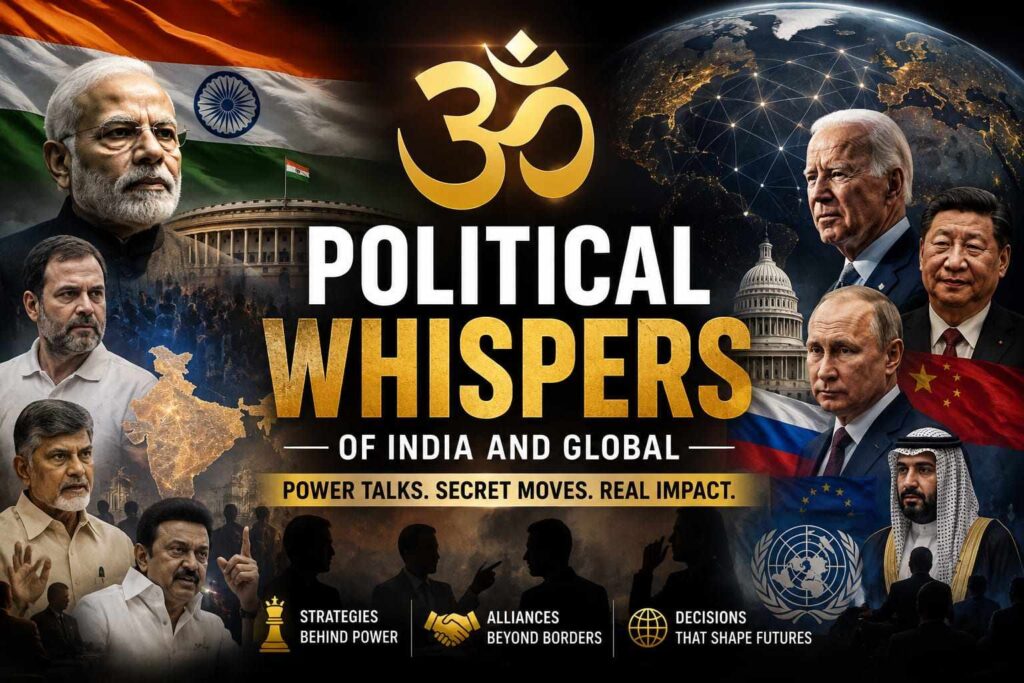
- A possible Trump-Putin-Xi meeting could redraw diplomatic equations. The idea of a three-way leaders’ meeting is still unofficial, but its very discussion signals a shift towards big-power bargaining. If it happens, Ukraine, arms control and global energy could dominate the agenda. US allies may worry that their interests could be negotiated without full consultation. Ukraine will insist that no deal can be made without Kyiv. The next few weeks will show whether the proposal has real diplomatic substance.
- France’s unrest may reshape European politics. The protests over living costs and public services could force European governments to pay more attention to affordability. Macron’s refusal to accept the interior minister’s resignation suggests an effort to project control. Curfews may restore short-term order but could deepen public anger. Energy prices are likely to become a central political issue across Europe. The episode may strengthen anti-incumbency sentiment ahead of future elections.
- Russia’s energy strikes aim at bargaining power. Attacks on Ukrainian energy facilities appear designed to create civilian hardship and increase pressure in negotiations. The strategy also tests Western resolve on military and financial support. Ukraine’s ability to repair infrastructure will be crucial in the coming months. Any diplomatic opening may be accompanied by continued battlefield pressure. The war’s economic impact is spreading beyond the battlefield.
- Israel’s election campaign may focus on security and alliances. Netanyahu’s emphasis on ties with India and Latin America suggests an attempt to broaden Israel’s diplomatic base. Domestic security incidents and West Bank violence could influence voter sentiment. The 27 October election will test public mood on governance and security. International reactions to settler violence may also become a campaign issue. Israel’s foreign-policy direction could depend heavily on the result.
- China’s demographic challenge may drive policy change. The projection that one in three Chinese residents will be over 60 by 2035 could accelerate retirement and welfare reforms. Beijing may need to spend more on healthcare and elder care. A shrinking workforce could affect manufacturing competitiveness. The government may also introduce stronger incentives for families. The issue will shape China’s long-term economic strategy.
India Political Whispers
- Electoral-roll revision is becoming a major opposition theme. The protests and detentions connected to the Cockroach Janta Party have turned voter-list revision into a larger political issue. Opposition parties see an opportunity to question the Election Commission’s credibility. The government views the criticism as an attempt to delegitimise a routine process. The issue could mobilise student and civil-society groups. Its political impact will depend on whether concrete evidence of voter exclusion emerges.
- Andhra’s local polls may set the tone for state politics. The nomination-row confrontation suggests that both the TDP-led coalition and YSRCP see the local elections as a major prestige battle. Jagan’s demand for central intervention is an attempt to nationalise the issue. Naidu’s counter-allegations aim to portray the opposition as violent and obstructive. The results could influence party morale ahead of future electoral contests. Independent monitoring and peaceful polling will be crucial.
- Telangana’s corruption allegations may become a sustained campaign. The BRS is trying to keep allegations around the Chief Minister’s family-linked businesses and land transactions in public discussion. The demand for a CBI probe is intended to force a formal response. The Congress is likely to treat the charges as politically motivated. The battle may move to complaints, legal notices and public meetings. Rural distress and drought relief could give the opposition additional ammunition.
- Bengal’s political confrontation may escalate. Mamata Banerjee’s strong language indicates that the Trinamool Congress intends to make police action and alleged central excesses a major issue. The BJP is expected to respond with allegations against the state government. The confrontation could intensify around law-and-order and agency actions. Bengal remains a high-stakes battleground for both national parties. The political temperature is unlikely to fall soon.
- Campus protests may acquire wider political meaning. The Jamia hunger strike over the students’ union could become part of a broader debate on democratic space in educational institutions. Student organisations may coordinate with opposition parties. The government and university administration will need to avoid further escalation. A negotiated settlement could defuse tensions. Continued police action could expand the protest beyond one campus.