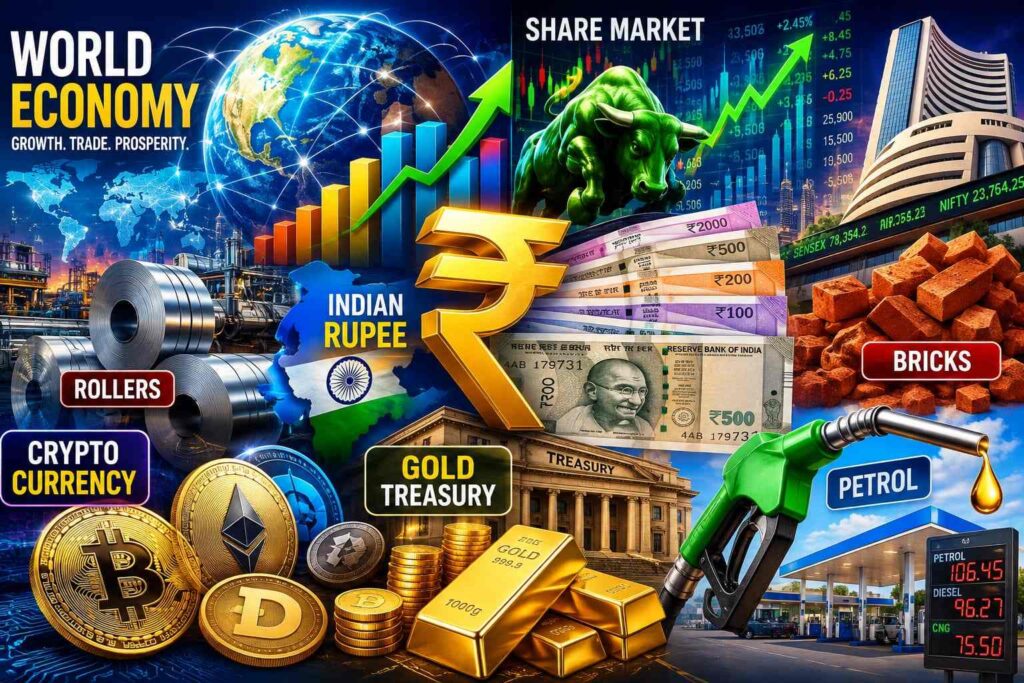
- India’s August inflation reading is the central domestic economic development. The rise to 4.82% has increased pressure on monetary policymakers.
- Global bond markets remain under stress. High yields are raising financing costs for governments, companies and households.
- Oil prices are vulnerable to geopolitical shocks. Any disruption involving Iran, Saudi Arabia, Yemen or major shipping routes could quickly affect inflation worldwide.
- Technology markets are correcting. Concerns about excessive AI valuations and the sustainability of corporate spending have weakened technology shares.
- The US Federal Reserve meeting is the major market event. Investors are closely watching the interest-rate outlook, inflation assessment and signals about future policy.
- The dollar’s strength is affecting emerging markets. A stronger dollar can increase the cost of imported energy and foreign-currency debt for countries such as India.
- India remains comparatively attractive for investment. Domestic demand, infrastructure spending and supply-chain diversification continue to support the country’s investment case, although inflation and financing costs remain risks.
- Canadian investment efforts reflect changing trade patterns. Canada is attempting to attract international capital to reduce its dependence on the US market.
- Trade disputes are changing supply chains. Companies are increasingly considering multiple production locations to reduce tariff and geopolitical risks.
- The broad economic message is caution. Growth continues, but markets are operating under pressure from inflation, expensive credit, energy insecurity and political uncertainty.