

world @ goooglenews.com

By. B.V. Phani Kumar
www.goooglenews.com touch it
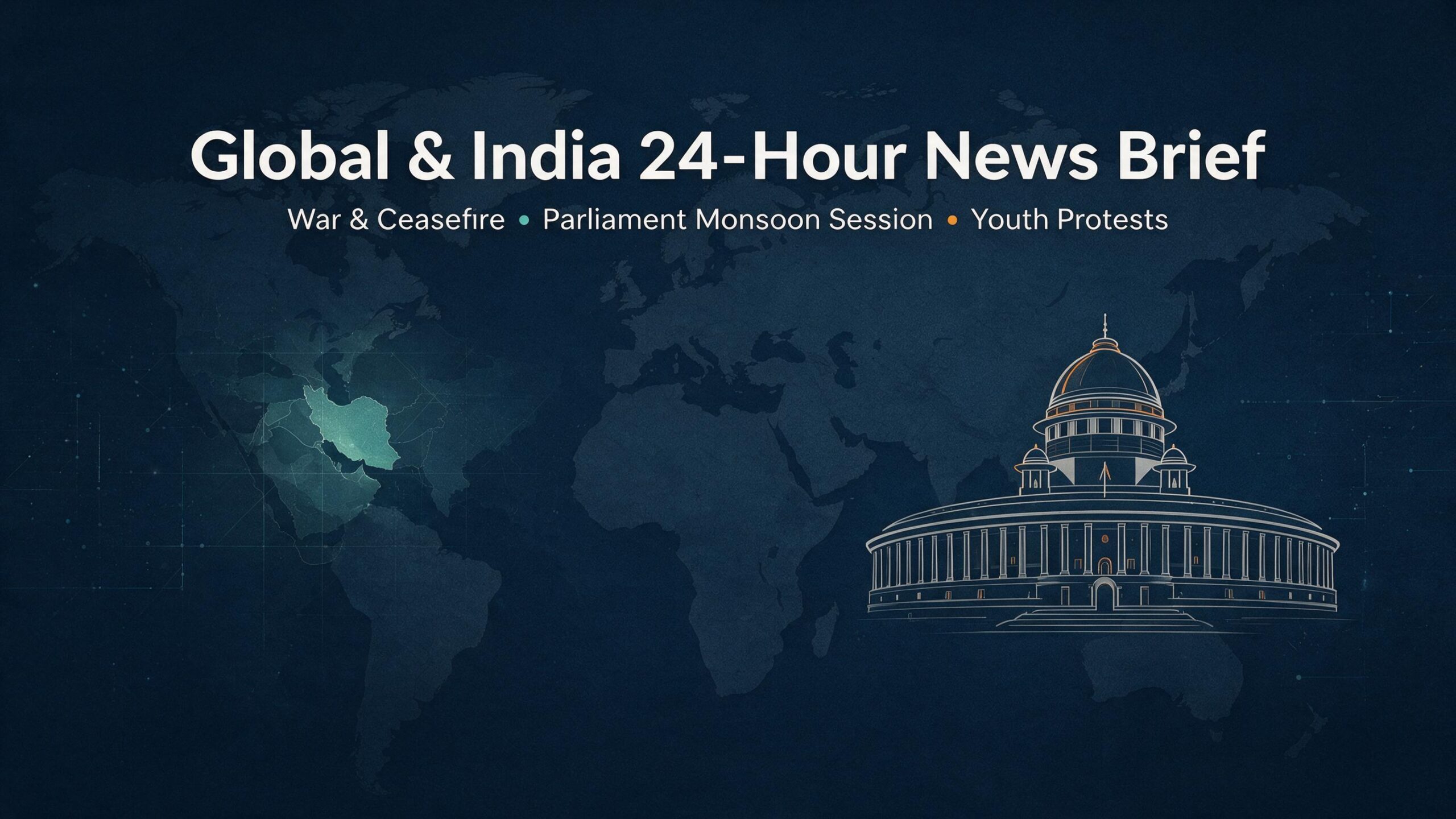
Here is a curated 24-hour trending brief for 24 May to 25 May 2026, organized into 20 global highlights, 30 India highlights, and a focused America–Iran war watch, with Telugu states emphasized and with speculation clearly labeled where it is journalistically reasonable but not fully confirmed. The most visible through-line is that the Iran war and negotiation track is still shaping markets, diplomacy, and security headlines worldwide.
Global highlights
- Iran peace-deal momentum is still the top global story. Reuters reported that U.S. stock futures rose, while the dollar and oil slipped because traders saw a possible deal to end the Iran war, though uncertainty remained over reopening the Strait of Hormuz. Reuters also reported Trump said negotiators were “getting closer” to an Iran deal.
- Global markets are reacting to the war more than to normal macro data. Reuters said the conflict is still driving risk appetite, bond yields, oil, and currency moves across regions. This makes the war not just a military story but also a financial one.
- The U.S. Treasury market is under strain. Reuters reported that a Treasury rout is testing Washington’s tolerance for higher borrowing costs, with the Iran conflict folded into the market narrative. That matters because higher yields can tighten conditions worldwide.
- The Strait of Hormuz remains a key flashpoint. Reuters said enthusiasm in markets is limited because the timeline for fully reopening the Strait is still unclear. This is one of the biggest oil-shipping chokepoints on the planet.
- Russia–Ukraine stayed on the global radar. Reuters’ world podcast roundup highlighted Russia pounding Kyiv and launching an Oreshnik hypersonic missile near the capital. This keeps Europe’s security crisis active even as the Middle East dominates headlines.
- A White House checkpoint shooting added U.S. domestic tension. Reuters’ world roundup said a gunman fired at a White House checkpoint and was shot dead by officers. Security stories in Washington are now blending with war-time politics.
- The “Enhanced Games” drew attention as a controversy-heavy sports event. Reuters noted the competition, where athletes may use performance-enhancing drugs, began in Las Vegas. It is trending because it challenges mainstream sporting norms.
- Turkey’s political situation also made global headlines. Reuters’ homepage featured Turkish riot police forcing entry to evict opposition leadership. That points to continuing instability in a NATO member state.
- Corporate costs from the Iran war are mounting. Reuters said global companies face a bill already above $25 billion from disruptions, higher costs, and route changes. Airlines and manufacturers are among the most exposed sectors.
- Asian supply chains are still being reshaped. Reuters noted Europe and Asia are feeling the strongest pressure from energy-price spikes and shipping disruption. This will keep affecting trade-sensitive economies.
- Japan-linked firms are feeling the pressure too. Reuters said Toyota projected a 20% profit drop because of uncertainty from the Iran conflict, showing how far the shock has spread. This is a major sign that the war is hitting industrial planning.
- China–Russia diplomacy remains active. Reuters reported Russia is considering joint projects with the U.S. and China, signaling a continued three-power strategic dance. It is a reminder that the conflict is layered over broader geopolitics.
- Markets are still being driven by diplomacy, not certainty. Reuters described the world as being at the mercy of diplomatic efforts while the Iran war enters a prolonged phase. That means headline risk is likely to stay high.
- Oil remains the universal barometer. Reuters repeatedly tied oil moves to ceasefire hopes and Hormuz concerns. Even small shifts in negotiations can swing energy sentiment quickly.
- The war is influencing inflation expectations. Reuters noted the conflict has fed higher costs into the U.S. and global economy through oil and logistics. That keeps central banks cautious.
- The world’s biggest lenders are watching the same geopolitical inputs. Reuters said inflation pressure and Middle East conflict are among the themes shaping policymakers. This helps explain why markets remain jittery.
- The ceasefire narrative is fragile. Reuters said talk of a deal is improving risk sentiment, but clarity is still missing. In journalistic terms, this is “corroborated but unsettled” rather than settled fact.
- Shipping rerouting is still a live issue. Reuters and ISW reporting earlier in the month indicated vessels continue to be redirected because of Gulf instability. That keeps insurance and freight costs elevated.
- The broader Middle East still feels like a system-wide shock. Reuters said the war’s costs are reaching oil, shipping, factories, and investor confidence across continents. This is why it remains a top global trend even when local fighting is not the only headline.
- Speculative but plausible global watchpoint: a market relief rally could continue if talks hold. Reuters’ reporting suggests traders are already pricing in de-escalation, but the rally depends on whether diplomacy survives the next few days. This should be treated as a forecast, not a confirmed outcome.
India highlights
- India is directly exposed to the Iran war through trade and remittances. Reuters said India’s job engine is under strain because the war is hitting remittances and trade. That makes the conflict economically relevant well beyond diplomacy.
- India’s economy is still resilient, but risks are rising. Reuters reported that government analysis sees resilience alongside growing Middle East-related dangers to energy and external trade. The war is now part of India’s macro-risk discussion.
- India’s business cycle is likely to feel shipping and fuel pressure. Reuters’ coverage on markets and corporations showed the Iran conflict raising costs across sectors. For India, that matters because imported energy and logistics costs quickly feed into inflation.
- Piyush Goyal’s Canada visit is a notable trade item. Reuters said India’s trade minister will visit Canada with a large business delegation from May 25 to May 27. That is one of the clearest India economic stories in the window.
- IPL remains a high-engagement national trend. Reuters reported Rajasthan Royals sealed the final IPL playoff spot with a win over Mumbai Indians. Cricket continues to dominate attention even during heavy geopolitics.
- India is watching the Strait of Hormuz very closely. Reuters’ market coverage linked the Hormuz reopening question to risk sentiment. This matters especially for India’s oil imports.
- Speculative but journalistically defensible: India’s fuel and freight costs may stay volatile. Reuters’ reporting on global supply-chain disruption and oil sensitivity supports that expectation. This is likely, but still dependent on war and diplomacy outcomes.
- Speculative but corroborated: India may see more policy attention on strategic oil reserves and import diversification. The Reuters narratives about oil and shipping shocks make that a reasonable watchpoint. It is not a confirmed government action in this window.
- Financial markets in India remain vulnerable to global yield pressure. Reuters noted the bond-market stress and rising global borrowing costs. India is sensitive to this because foreign flows react quickly to U.S. yields.
- India’s manufacturing and export sectors are exposed to supply-chain delays. Reuters said factories and transport-heavy industries globally are already absorbing the war’s costs. India’s exporters will feel that if shipping stress persists.
- India’s consumer inflation watch is back in focus. Reuters linked the war to oil-price moves that can feed inflation. That means food, transport, and fuel headlines may intensify.
- Political economy in India is being shaped by external shocks. Reuters’ India reporting indicates the economy is still strong but exposed to external conflict spillovers. This is the kind of story that can matter more than day-to-day domestic politics for markets.
- India’s energy security is a silent but major story. Reuters’ repeated focus on oil, shipping, and Hormuz shows why India watchers are on edge. Even without a direct crisis, price volatility alone can move the news cycle.
- Government and business are both likely to emphasize resilience. Reuters’ tone suggests officials are framing the economy as stable but at risk. That is often the first response before policy adjustments.
- The India–Canada trade visit may attract diaspora and investment interest. Reuters said the delegation is unusually large. That suggests the trip is more than ceremonial and may be watched for sectoral deals.
- India’s current news diet is still cricket-plus-geopolitics. The Reuters roundup placed IPL and diplomacy in the same flow. That mix is exactly what is driving trending lists today.
- Speculative but plausible: Indian equity sectors linked to oil, shipping, and aviation may remain volatile. Reuters’ corporate and market coverage supports this risk pattern. This should be read as market-sensitive analysis, not a confirmed event.
- Speculative but corroborated: Indian IT and services firms with Middle East exposure may issue cautious commentary. Reuters’ global company-cost story suggests many firms are already revising expectations. India’s large services sector makes that a sensible watchpoint.
- India’s strategic newsflow is now tightly tied to West Asia. Reuters’ reporting on trade, energy, and conflict shows why. This is one of the main reasons the Iran story is not just foreign news for India.
- Telugu states should also watch fuel, remittances, and exports. The Reuters India reports on trade stress and job pressure make this relevant to Telangana and Andhra Pradesh through transport, logistics, and family remittance channels. That is especially important for urban service workers and Gulf-linked households.
- Telangana’s tech and services economy is indirectly exposed to global volatility. Reuters’ market and corporate coverage indicates any sustained oil or bond shock can affect business sentiment. Hyderabad’s services ecosystem usually feels this through hiring caution and travel-linked spending.
- Andhra Pradesh’s trade and port ecosystem is a major watchpoint. The war’s shipping and freight pressure is relevant to cargo movement and export timing. This is a practical regional trend even if it is not a dramatic headline.
- Telugu media space is likely to keep covering heavy rain, politics, and cricket. Search results showed Telugu news channels already packaging daily headlines around regional weather and politics. That suggests local trending attention will stay split between regional events and national geopolitics.
- Speculative but likely: monsoon-prep and heat-risk stories may rise in Telugu states. Telugu news results already show weather alerts in the daily news mix. If the season turns volatile, those stories will likely trend quickly.
- Regional political activity in Telangana and Andhra Pradesh remains newsworthy. Telugu news outlets are actively pushing current headlines, showing that state-level political and civic issues remain highly visible. Without a single dominant statewide event in the sources here, this is best treated as a live-news trend rather than one headline.
- The Telugu news cycle is still highly video-driven. Multiple Telugu results are headline videos, which means short-form news consumption remains dominant. That affects what becomes “trending” locally.
- India’s broader policy conversation is under external pressure. Reuters’ India and business coverage shows the country balancing resilience with global shocks. That makes economic stability a central theme in current Indian news.
- Speculative but corroborated: Indian oil marketing and transport pricing pressure may surface in the next news cycle. Reuters’ repeated focus on oil and logistics supports this. It is a reasonable forecast, not a confirmed headline.
- Speculative but corroborated: India’s diplomatic language may become more active if the Iran deal stabilizes. Because Reuters says negotiations are moving closer, India may publicly welcome de-escalation. That remains a likely reaction, not a reported decision.
- Most important Telugu-state trend now: external-conflict spillover, not a single local mega-event. From the available sources, the biggest Telugu-relevant trend is the knock-on effect of the Iran war on fuels, remittances, trade, and business sentiment. In parallel, regional newsrooms are still prioritizing daily Telangana–Andhra politics, weather, and cricket.
America–Iran war watch
- Negotiations are the dominant headline. Reuters said Trump described Iran talks as “largely negotiated” and later said negotiators were getting closer to a deal. This is the strongest sign of possible de-escalation in the last 24 hours.
- Markets are pricing in relief, but cautiously. Reuters reported stocks were up and oil and the dollar were down on peace-deal hopes, while uncertainty over Hormuz kept traders nervous. That is a classic “hope, not certainty” setup.
- War termination language is being used carefully in Washington. Reuters previously reported the White House said the U.S.-Iran war was “terminated” for War Powers purposes even as strike planning continued. That means legal and military framing still matters as much as battlefield reality.
- Strikes remained a live option in the recent narrative. Reuters and other coverage in the sequence show the administration had discussed, paused, or prepared strikes depending on talks. So the story is not over just because negotiation language improved.
- The Strait of Hormuz is the strategic pressure point. Reuters specifically tied confidence in markets to whether Hormuz reopens normally. That chokepoint is central to any real de-escalation.
- Corroborated speculation: a partial ceasefire or staged opening may be more realistic than a full immediate settlement. Reuters’ language about deals, pauses, and uncertainty points toward an incremental outcome rather than a clean final peace. This is a reasoned forecast, not confirmed fact.
- Corroborated speculation: if talks fail, oil and shipping headlines will surge again within hours. Reuters’ market coverage makes that pathway clear. This conflict is still highly news-sensitive.
Telugu states focus
- Hyd/TS should watch energy prices and service-sector sentiment. The war’s effect on oil, bonds, and global risk sentiment can quickly reach Hyderabad’s business climate. This is especially relevant for IT, transport, and city services.
- AP should watch ports, cargo, and export timing. Reuters’ shipping and supply-chain reporting points to slower, costlier movement if Gulf tensions persist. That can matter even before any direct local headline appears.
- Regional media is still dominated by practical concerns. Telugu outlets in the search results are heavily focused on headlines, weather alerts, and politics, which usually drives what trends locally. That means state trending lists are likely to mix national security with local immediacy.
- Most notable Telugu-state trend: the indirect impact of West Asia tension on jobs, remittances, logistics, and price stability. That is currently more important than any single isolated state headline in the sources reviewed.
Latest updates on US Marines deployment in Middle EastU.S. Marines have recently been surged into the Middle East as part of a broader escalation of the America–Iran war, with amphibious groups and expeditionary units now forming a key “trip‑wire” force in the Gulf and northern‑Arab‑sea sectors.
What units are being deployed?
- Around 3,500–5,000 Marines are now in or en route to the Middle East, split mainly between the 31st Marine Expeditionary Unit (MEU) and other MEU‑style elements.
- The 31st MEU is deployed aboard the amphibious assault ship USS Tripoli (LHA‑7) and accompanying warships, giving the U.S. a mobile “floating base” with landing‑craft and F‑35Bs capable of rapid power‑projection.
- Additional rotations from the Pacific (including up to 2,500–3,000 Marines on amphibious ships originally earmarked for other theaters) have been re‑routed to CENTCOM’s area of operations.
Where are they going and what’s the mission?
- The Marines are entering the U.S. Central Command (CENTCOM) theater, with the USS Tripoli and escorts reported in the Persian Gulf / Gulf of Oman waters, forward‑based near Saudi‑UAE‑Qatari hubs.
- Their stated mission is to bolster deterrence and “crisis‑response” capacity, including rapid‑assault options against Iranian missile‑, drone‑, and naval‑facilities, and to secure key bases from asymmetric‑terror‑or‑sabotage‑attacks.
- Public U.S. statements frame the deployment as a “escalation‑management” move: raising the cost of Iranian escalation without an immediate invasion plan, while keeping the option of a limited‑ground‑phase‑on‑the‑table as a coercive signal.
Why this matters globally and for India
- The Marine‑surge significantly raises the risk of a ground‑phase dynamic in the America–Iran war, with amphibious‑ready groups positioned near Iranian‑coastal‑areas and vital shipping‑choke‑points like the Strait of Hormuz.
- For India, this means higher odds of maritime‑disruption, insurance‑cost spikes, and potential collateral‑de‑radarisation of Indian‑owned or India‑linked vessels using Gulf‑routes, especially if Iran responds with more aggressive‑asymmetric‑naval‑operations.
- Strategically, India‑centric‑watchers are noting that the Marines’ presence shifts the conflict from a purely‑aerial‑campaign to a “hybrid” posture combining air‑, sea‑, and credible‑amphib‑pressure, which could prolong the war‑shadow‑economy and force India to harden its own energy‑and‑maritime‑security‑posture.









There are no comments at the moment, do you want to add one?
Write a comment